korporativas davanas gravetas

Maximizing Brand Exposure – Using Engraved Corporate Merchandise

In today’s fast-moving marketing and sales world, it’s important to find unique ways to stand out and make a strong impact on your audience. Engraved corporate merchandise are a special and elegant way to increase your brand’s visibility and build stronger relationships with customers and clients. 

Here at our blog we identify as experts in marketing, sales, and improving business strategies, discussing how to use engraved promotional items to get more brand attention. So in this article we talk about the advantages of adding company logos, slogans, or images to engraved gifts. 

And then we will also offer advice on choosing the right promotional items that connect with your audience and enhance your brand’s message.

Why engraving makes a difference

Engraving elevates corporate merchandise from mere promotional items to personalized symbols of brand prestige. This customization method imbues gifts with a sense of permanence and exclusivity, significantly impacting the recipient’s perception and emotional connection to the brand. 

Unlike other forms of branding, engraving offers a tactile and visual reminder of the brand that lasts for years, making it an invaluable tool in building brand recall and loyalty. 

The distinctive touch of engraving ensures that each item is not just a gift but a memorable piece that carries the brand’s essence, fostering a deeper emotional bond between the brand and its audience.

Benefits for brand visibility

Using engraving on corporate merchandise offers many advantages for making a brand more visible. Every engraved piece serves as a mobile advertisement, displaying the brand’s logo, slogan, or images in a stylish and lasting way. This ongoing visibility helps make the brand more recognizable and keeps it in the minds of customers. 

Moreover, people tend to share and show off high-quality engraved items, spreading the brand to new potential clients through word-of-mouth and social media. The distinctiveness of engraved merchandise can also set a brand apart in a busy market, making it more memorable to both current and potential customers.

brand visibility

Creative branding strategies

Creative branding strategies using engraved merchandise can greatly boost a brand’s message and identity. By choosing unique items that match the brand’s values and look, companies can make a big visual and emotional impression. 

For example, tech companies might choose engraved USB drives or wireless chargers, while luxury brands may pick high-end pens or keychains. When these items are cleverly matched with the brand’s image, they turn regular merchandise into effective storytelling tools, strengthening the brand’s story and connecting with the audience in a significant way.

Tips for selecting the right promotional items

Selecting the right promotional items for engraving involves a strategic approach that focuses on the brand’s identity, its target audience, and the desired message. 

Here are some key points to consider in this process:

  • Reflect the brand’s values and aesthetic – choose items that not only look good and are practical but also embody what the brand stands for. This alignment enhances brand recognition and strengthens the connection with the audience.
  • Consider longevity and utility – items that last long and are durable provide ongoing exposure for the brand AND products that are used frequently by the recipient ensure more visibility and remind them of the brand regularly.
  • Research trends and preferences – understanding current trends and the preferences of your target demographic is crucial. 

This insight helps in selecting items that resonate well – the promotional merchandise should appeal to the tastes and needs of the target audience. And also fulfill the intended purpose. The chosen items should effectively enhance brand awareness and loyalty.

By integrating these points into your selection process, you can ensure that the promotional merchandise you choose not only resonates with your audience but also amplifies your brand message effectively.

Enhance brand loyalty through quality

Improving brand loyalty with quality means that both the item and its engraving need to be high-quality. When merchandise is well-made and nicely engraved, it shows the customer that the brand values and respects them, which makes them think more highly of the brand. 

This shows that the company cares about doing things well and paying attention to details, which people often think means their products or services are also high-quality. By choosing high-quality items, companies make sure their gifts are liked and valued, which helps create a good image of the brand and encourages customers to keep coming back.

For example, if you pick sustainable travel mugs as your corporate merchandise, you can check out engraving prices to make a decision.

engraving prices

Building long-term relationships with clients

Engraved corporate gifts are a great way to strengthen relationships with clients over time. These personalized items remind clients that the brand values and is dedicated to them, which helps build trust and loyalty. 

When gifts are customized to match what the client likes or their connection with the brand, it shows care and understanding. This thoughtful way of interacting with clients leads to more engagement, repeat business, and recommendations, helping the brand grow and succeed.

Trending in marketing – sustainability in promotional merchandise

The trend of sustainability is becoming increasingly important in marketing and sales, particularly in the choice of promotional merchandise. 

Here’s a breakdown of why sustainability is key:

  • Eco-friendly products – choosing promotional items that are environmentally friendly not only reduces the ecological footprint but also aligns with the growing consumer demand for sustainable products.
  • Positive brand image – by investing in sustainable promotional merchandise, companies can enhance their brand image. This shows a commitment to environmental responsibility, which resonates well with eco-conscious customers.
  • Long-term impact – sustainable products tend to have a longer lifespan, offering prolonged visibility for the brand. This not only maximizes the marketing investment but also aligns with the principles of sustainability by reducing waste.
  • Consumer loyalty – customers are more likely to support and remain loyal to brands that demonstrate an active effort in sustainability. This loyalty is based on shared values between the brand and its customers.

Incorporating sustainability into promotional merchandise reflects a brand’s dedication to environmental stewardship, contributing to a positive public perception and fostering customer loyalty.

Be sure to check out our other articles such as Promotional Display Stands and Power of Guest Posting for SEO Success.

We hope this article was useful to you and brought you closer to your decision on what corporate merchandise to use!

furniture online

Selling Furniture Online – What to Consider?

As the digital market continues to evolve, selling furniture online is becoming increasingly crucial for companies looking to attract a broader range of customers. This article is aimed at furniture retailers, marketing enthusiasts, and business owners who want to improve their online sales methods.

It is particularly relevant for specific furniture categories, such as upholstered furniture and designer lamps. In this guide, you will find comprehensive strategies and tips perfect for those who want to increase their online furniture sales.

The foundation of online sales – market understanding

The first step to selling furniture online successfully is to understand your specific demand in depth. This includes identifying your potential customers’ unique preferences, buying habits, and needs.

Key points to consider:

  • Demographics: Age, geographic location, income level, and lifestyle.
  • Style preferences: Types of furniture styles preferred, such as contemporary, traditional, or rustic.
  • Buying habits: How often customers buy furniture, their budget range, and factors influencing their purchase decisions.
  • Material preferences: For example, leather or fabric for upholstered furniture, metal or wood for frames.

For example, if your market research shows that your potential audience prefers eco-friendly soft furnishings, consider adding a sustainable furniture line.

Optimizing online store – your virtual showroom

Your online shop should showcase your products and provide your customers with a comfortable and pleasant shopping experience.

The critical elements of a successful online shop:

  • High-quality product images: Include multiple photos from different angles, close-ups of materials, and pictures that show the scale of the products.
  • Comprehensive product descriptions: Provide detailed information, including size, material, care instructions, and warranty.
  • Easy navigation and search functionality: Make sure customers can easily find what they want.
  • Mobile responsiveness: Optimize your website for mobile users.

For example, add photos of the lamps in different rooms and lighting conditions for designer lamps to demonstrate their versatility.

online furniture shop

Effective online marketing strategies

Effective marketing is crucial to attracting traffic to your online shop and converting visitors into customers.

Strategies to implement:

  • Search Engine Optimisation (SEO): Optimize your content with relevant keywords to improve your visibility in search results.
  • Social media engagement: Regularly post engaging content on Instagram, Pinterest, and Facebook platforms.
  • Email marketing: Develop targeted email campaigns to promote new products, sales, and exclusive offers.

Use Instagram to post visually appealing photos of your latest soft furnishings collection, encouraging followers to visit your website.

Managing logistics – the backbone of online retail

Effective logistics management ensures customer satisfaction and maintains the company’s efficiency.

Areas of focus:

  • Inventory management: Put suitable systems in place to accurately track stock levels and forecast demand.
  • Reliable delivery partners: Work with reliable transport companies that can transport different sizes and types of furniture.
  • Transparent communication: Keep customers informed about delivery times, delays, and terms. 
brand furniture

Building brand loyalty

Excellent customer service can significantly improve customer loyalty and brand reputation.

Tips for improved customer service:

  • Affordable support: offer multiple support channels like phone, email, and live chat.
  • Proactive problem solving: Address problems quickly and efficiently.
  • Genuine engagement: Take a genuine interest in customer feedback and act on it.

Keeping catalog fresh – staying ahead of trends

The furniture market is dynamic, and keeping up with trends is essential to keep your product offering relevant and attractive.

How to stay up to date:

  • Regular industry research: stay current with the latest furniture design and technology trends.
  • Customer feedback analysis: Listen to customer feedback to understand changing preferences.
  • Innovative product launches: Regularly launch new products that meet current trends and customer requirements.

 If smart home technologies are in, consider introducing brilliant lamps that can be controlled via smartphone apps.

Crafting a comprehensive online furniture selling strategy

Successful online furniture sales require a comprehensive approach that includes market understanding, an optimized online shop, effective marketing, streamlined logistics, excellent customer service, and trend spotting. By focusing on these critical areas, your furniture business can thrive online, whether you sell soft sofas or elegant designer lamps.

You might also like:

Be aware and adapt to meet and exceed customer expectations consistently. Contact PromoCase.lv for more information on marketing, sales, and improving business results.

email marketing

Email Marketing Techniques for Real Estate Agents

In real estate, strong client relationships are crucial. That’s where email marketing comes in. Email marketing is a powerful tool for connecting with clients, nurturing leads, and closing deals. 

This article explores effective email strategies for real estate agents. Learn to craft engaging newsletters using segmentation and analytics. Uncover the full potential of email marketing to boost your business. Elevate communication for success in the dynamic real estate market.

real estate email marketing

The power of email marketing in real estate

Before we dive into the strategies, let’s understand why email marketing is so crucial for real estate professionals. Here are a few compelling reasons:

  • Client Engagement: Email allows you to stay in regular contact with clients and prospects, keeping your services top of mind.
  • Personalization: You can tailor your email campaigns to the specific needs and preferences of each recipient, fostering a deeper connection.
  • Lead Nurturing: Email is an effective way to nurture leads, providing valuable information and building trust over time.
  • Data-Driven Insights: Email marketing platforms provide analytics that help you refine your campaigns for better engagement and conversion rates.

Crafting engaging newsletters

In the world of real estate, communication is key. That’s why crafting engaging newsletters is an art real estate agents can master to enhance client relationships and drive business growth. 

Let’sl explore the essential elements of creating newsletters that capture your audience’s attention, provide valuable content, and inspire action. Discover how to make your newsletters a powerful tool in your real estate marketing arsenal. From attention-grabbing subject lines to compelling calls to action and a lot more.

1. Compelling subject lines

The subject line is your email’s first impression. Craft compelling and relevant subject lines that entice recipients to open your emails. Consider using personalization and urgency to grab attention.

2. Valuable content

Deliver content that adds value to your subscribers. That means – sharing market insights, neighborhood highlights, and real estate tips. Don’t forget to include eye-catching visuals, such as high-quality property photos and videos, to captivate your audience.

3. Call to action (CTA)

Every newsletter should have a clear and persuasive CTA. Make sure your CTA stands out. Whether it’s inviting recipients to schedule a consultation, browse listings, or download a free e-book.

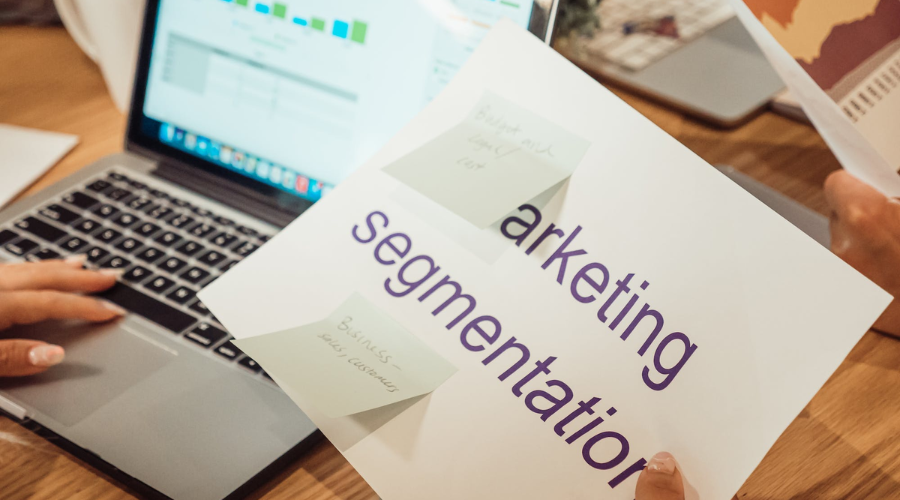
marketing segmentation

Segmentation for targeted messaging

One size doesn’t fit all, especially in the diverse world of real estate clients. Segmentation is the secret sauce that allows you to tailor your messaging for maximum impact. 

Here we’ll dive into the art and science of segmentation. That means showing you how to categorize your email list into distinct groups, such as buyers vs. sellers or different geographic areas. By adjusting your messaging to your audience’s unique interests, you can significantly boost engagement and conversion rates.

1. Buyer vs. seller segmentation

Segment your email list based on buyer and seller interests. Tailor your content to address the unique needs and concerns of each group. For example, provide buying guides to potential homebuyers and selling tips to homeowners looking to list their property.

2. Geographic segmentation

If you serve multiple areas or neighborhoods, segment your list by location. Send property listings and updates that are relevant to each area. Because that way you are demonstrating your expertise in the local market.

3. Lifecycle stages

Segment your list by where subscribers are in their real estate journey. For new leads, offer informative guides and resources. Note that more engaged leads might receive personalized property recommendations.

analytics for email campaigns

Using analytics to refine email campaigns

Successful email marketing is not just about sending messages. It’s about understanding how your audience responds and continuously improving your strategies. 

Now we’ll look into the world of email marketing analytics. There we can learn how to track open rates, click-through rates, and conversions. Let’s not forget about the power of A/B testing. Optimize your emails and uncover valuable insights about what resonates with your audience. With data as your guide, you can refine your email campaigns for maximum impact.

1. Open and click-through rates

Track email open rates and click-through rates to gauge the effectiveness of your subject lines and content. Experiment with different approaches and analyze which ones resonate most with your audience.

2. Conversion tracking

Monitor the conversion rates for key actions, such as booking appointments or signing up for property alerts. Identify which emails are driving conversions and optimize your campaigns accordingly.

3. A/B testing

Continuously test different elements of your emails, such as subject lines, visuals, and CTAs. Note that A/B testing can provide valuable insights into what resonates with your audience. And so that way improve campaign performance.

What’s trendy for our target audience

In the fast-paced world of real estate marketing, staying on top of trends is essential. Let’s look into the latest trends that are capturing the attention of your target audience. From video email marketing to AI-powered personalization. Discover innovative techniques that can set you apart in a competitive market. Using these trends can not only enhance your email marketing efforts but also help you stay ahead in the real estate landscape.

To stay on the cutting edge of email marketing for real estate, consider these trends:

1. Video email marketing

Incorporate video content into your emails to showcase properties, offer virtual tours, and connect with clients on a more personal level.

2. AI-powered personalization

Use artificial intelligence to analyze recipient behavior and preferences. Deliver personalized content, property recommendations, and follow-up emails based on individual interactions.

Elevate your real estate marketing with email

In the competitive world of real estate, effective email marketing can be a game-changer. There are many ways to build stronger relationships and increase transactions. Create relevant newsletters, target your audience, and analyze your results.

Explore more insights related to real estate on promocase.lv and discover additional sales channels in our sales channels category. Your email marketing efforts are not just about selling properties. It’s about building relationships that last. We are sure that your real estate business can adjust and grow in the digital age. Keep learning about the strategies and keep up with the newest trends.

Check out other related articles that can help boost your marketing strategies:

4ps of marekting

Expanding the Marketing Mix in the Digital Age

In the ever-evolving landscape of marketing, staying ahead of the curve is essential. In the digital age, where consumer behavior and business operations have undergone significant transformations. It’s crucial for marketers to adapt their strategies accordingly. 

This article will take you on a journey through the expanded marketing mix models, shedding light on additional Ps like People, Process, and Physical Evidence. We’ll explore how these elements have become increasingly relevant in a digital and service-oriented economy. While also offering insights into how business managers can seamlessly integrate them into their overall marketing strategies.

marketing mix

The traditional 4Ps

Before we delve into the expanded marketing mix, let’s revisit the foundation of marketing – the 4Ps. These are Product, Price, Place, and Promotion.

 Historically, these elements formed the core of marketing strategies. However, the digital age has ushered in new dynamics. That way making it imperative for marketers to broaden their horizons.

Product: The heart of your offering

The product remains central to your marketing efforts. However, in today’s digital age, products have evolved beyond tangible items. 

The rise of software-as-a-service (SaaS) solutions and digital products has blurred the lines between physical and virtual offerings. Tailoring your product to meet the ever-changing needs of your digital-savvy customers is key to success.

Price: Finding the right balance

Pricing strategies are now more complex than ever. With online pricing comparison tools and dynamic pricing algorithms, businesses need to be agile in their pricing approaches. Balancing competitive pricing with maintaining profitability requires a deep understanding of market dynamics and customer behavior.

Place: The digital storefront

The concept of “place” in marketing has shifted from physical store locations to the digital realm. E-commerce has boomed, making it essential for businesses to have a strong online presence. Understanding the intricacies of e-commerce, as explored in our e-commerce category, is crucial for success in today’s marketplace.

Promotion: A multichannel approach

Promotion has expanded far beyond traditional advertising. In the digital age, it’s about creating engaging content, building a strong online community, and harnessing the power of social media. It’s also about enhancing brand awareness, which we’ll discuss further in our brand awareness category.

Expanding the marketing mix

7ps of marketing

Now, let’s turn our attention to the expanded marketing mix, where we introduce three additional Ps – People, Process, and Physical Evidence.

People: The human element

In a service-oriented economy, the role of people in your organization is pivotal. Your employees, customer service representatives, and influencers play a crucial role in shaping the customer experience. 

It’s essential to invest in training and development to ensure your people are aligned with your brand’s values and customer-centric approach.

Process: Streamlining operations

Efficient processes are the backbone of a successful business. In a digital age, automation and data-driven decision-making are game-changers. Streamlining your internal processes can lead to cost savings and improved customer experiences. Consider adopting marketing automation tools and optimizing workflows.

Physical evidence: Tangible assurance

While much of today’s commerce is conducted online, physical evidence still matters. It’s about creating trust and confidence in your brand. This could be seen in the packaging of your products, the design of your website, or the cleanliness of your physical stores if you have them. Physical evidence reinforces the intangible promises your brand makes.

What’s trendy for our target audience

In addition to the expanded marketing mix, it’s important to stay updated on the latest trends in the marketing landscape. For our target audience at promocase.lv, here are a couple of trends worth noting:

1. Video marketing dominance

Video content continues to gain prominence in digital marketing. Whether it’s short-form videos on social media or in-depth product demonstrations, video is a powerful tool for engaging audiences. Consider incorporating video into your marketing strategy to stay competitive.

2. Personalization at scale

Personalization is no longer a buzzword but a necessity. Leveraging data and AI-driven insights, businesses can offer personalized experiences to their customers at scale. Tailor your marketing messages, product recommendations, and content to individual preferences.

Evolving in the digital age

As we navigate the digital age, expanding the marketing mix to include People, Process, and Physical Evidence is essential for success. Embracing these elements alongside the traditional 4Ps will help you adapt to the changing landscape and meet the evolving needs of your customers.

At promocase.lv, we understand the importance of staying at the forefront of marketing trends. Explore our e-commerce category and brand awareness category for more insights tailored to your marketing and business improvement needs. 

Stay ahead, stay relevant, and watch your business thrive in the digital age.

restaurant visuals

Outdoor Visual Merchandising Strategies for Restaurants

In the competitive world of restaurants, first impressions matter. Your exterior is the first thing potential diners see, and it can significantly impact their decision to enter. Outdoor visual merchandising as well plays a crucial role in attracting customers and setting the stage for a memorable dining experience. 

In this article, we’ll delve into effective strategies for outdoor visual merchandising for restaurants. We will cover signage, outdoor dining setup, and façade design. Learn how to make the exterior of your restaurant as inviting and reflective of your brand as the interior. Let’s dive in!

The power of outdoor visual merchandising

Before we jump into the strategies, let’s understand why outdoor visual merchandising is essential. Your restaurant’s exterior is your first chance to make a positive impression and convey your brand identity. Effective outdoor visuals can:

  • Attract Attention: Eye-catching displays and signage can draw in passersby, even in a busy street.
  • Set Expectations: Your exterior should give potential customers an idea of what to expect inside, from the ambiance to the cuisine.
  • Create a Memorable Experience: A well-designed exterior can enhance the overall dining experience and leave a lasting impression.

Effective use of signage

outdoor visual merchandising

The art of effective signage extends beyond merely showcasing your restaurant’s name. In this section, we’ll explore how signage can be a powerful tool to attract potential diners, communicate your brand’s identity, and even tempt them with a sneak peek of your culinary delights. 

From clear and welcoming signage to engaging menu displays and chalkboard specials, we’ll uncover the secrets to making your restaurant’s exterior truly inviting.

1. Clear and welcoming signage

Your restaurant’s signage should be clear, easy to read, and reflective of your brand. Consider using fonts and colors that align with your interior décor and cuisine style. Make sure it’s well-lit for nighttime visibility.

2. Menu displays

Incorporate menu displays outside your restaurant to give potential diners a glimpse of your offerings. Utilize enticing images and concise descriptions to pique their interest. For inspiration, check out our article on restaurant menu displays.

3. Chalkboard specials

Chalkboard displays are a versatile and charming way to showcase daily specials, promotions, and seasonal offerings. Keep them fresh and updated to entice repeat visitors.

Outdoor dining setup

outdoor dining

Creating an enticing outdoor dining space is akin to crafting an extension of your restaurant’s ambiance. 

In this section, we’ll delve into the elements that transform a simple sidewalk or patio into a delightful dining experience. From selecting attractive seating arrangements to adorning your space with seasonal décor and lush greenery. Discover how to beckon diners to savor your cuisine in an outdoor oasis.

1. Attractive seating arrangements

Create an inviting outdoor dining space with comfortable seating arrangements. Invest in quality furniture that complements your restaurant’s style. Consider adding colorful cushions and outdoor décor to enhance the ambiance.

2. Seasonal décor

Change up your outdoor décor with the seasons. It can be festive decorations for holidays or cozy blankets for fall evenings, or pretty much anything else. These touches create a warm and inviting atmosphere. If it’s holiday time find decorations that suit the occasion, for example Christmas decorations.

3. Greenery and plants

Plants and greenery can add a touch of freshness and vibrancy to your outdoor space. Hanging baskets, potted plants, and window boxes can be strategically placed to enhance the overall look.

Façade design

The façade of your restaurant is its face to the world, setting expectations and telling a story. In this section, we’ll explore the world of façade design.

Here unique architectural features, strategic lighting, and thoughtful aesthetics come together to create an unforgettable first impression. Whether your restaurant boasts historical charm or modern elegance, find inspiration on how to make your façade a work of art.

1. Unique architecture

If your restaurant has unique architectural features, highlight them. Showcase the charm of historical buildings or the modern elegance of contemporary designs.

2. Lighting

Outdoor lighting can transform your restaurant’s façade at night. Consider soft, warm lighting to create a welcoming ambiance. String lights, lanterns, and well-placed spotlights can work wonders.

What’s trendy for our target audience

To align with the latest trends in restaurant marketing, consider these additions:

1. Sustainable practices

Promote sustainability by using eco-friendly outdoor furniture, reusable décor, and energy-efficient lighting. Customers increasingly appreciate environmentally conscious businesses.

2. QR codes for menus

Incorporate QR codes on your outdoor tables or signage, allowing customers to access your menu digitally. It’s a convenient and hygienic option, especially in a post-pandemic world.

Elevate your restaurant’s outdoor appeal

In the world of restaurant marketing, outdoor visual merchandising is a powerful tool that can elevate your establishment’s appeal. You and your restaurant can entice customers and leave a lasting impression. It all can be done by implementing effective signage, creating an inviting outdoor dining setup, and thoughtfully designing your façade. 

At promocase.lv, we understand the importance of restaurant marketing, and we offer a wealth of insights in our restaurant marketing category. Your restaurant’s exterior is the canvas upon which you can paint a compelling picture of your brand.

Embrace these strategies, stay updated with industry trends, and watch your restaurant thrive as it captures the hearts and taste buds of old and new diners.

4p marketing mix

A Fresh Look at the 4P Marketing Mix

In today’s rapidly evolving business landscape, the traditional 4 Ps of marketing – Product, Price, Place, Promotion – remain foundational in crafting effective marketing strategies. However, the digital revolution has significantly transformed how these elements are applied. 

Therefore we think that understanding these changes is crucial for business managers and marketers aiming to stay competitive in a marketplace increasingly dominated by digital marketing and e-commerce. 

So in this article we will offer a fresh perspective on the 4P marketing mix, delving into how each component has evolved with the advent of digital technologies.

1. P for Product – adapt to consumer needs in the digital age

In the digital age, the concept of ‘Product’ extends beyond physical goods to include services, experiences, and digital products. The focus has shifted towards personalization, user experience, and added value.

Today’s consumers expect products that are not just functional but also tailored to their individual needs and preferences. The digital era has enabled businesses to leverage data analytics and customer feedback for product development, resulting in more personalized and customer-centric products. 

Additionally, the rise of digital products, such as software, apps, and online platforms, has redefined what a product can be.

Our main tips are to leverage data analytics. Use customer data to understand needs and preferences for product development. Also, you should focus on user experience a lot more. It is important to ensure that the product is intuitive, user-friendly, and accessible. And always be prepared to iterate and evolve products quickly in response to market feedback.

4 Ps

2. P for Price – know dynamic pricing strategies in e-commerce

Pricing in the digital era has become more dynamic and complex, with strategies like real-time pricing and personalized pricing becoming increasingly prevalent.

E-commerce platforms utilize advanced algorithms to adjust prices based on demand, competition, and consumer behavior. This flexibility allows for more strategic pricing decisions. Also businesses can use digital tools to offer personalized pricing, discounts, and promotions, enhancing customer engagement and loyalty.

Our recommendations are to:

  • Implement dynamic pricing – adjust prices in real-time based on market data.
  • Use personalized promotions – offer tailored discounts to individual customers based on their purchase history and preferences.
  • Monitor competitors – regularly track competitor pricing strategies to stay competitive.

Overall, it is clear to see that adopting a dynamic and data-driven pricing strategy can lead to increased profitability and market responsiveness.

3. P for Place – try navigating the omnichannel landscape

The ‘Place’ element of the marketing mix now encompasses a diverse range of channels, both online and offline, in what is known as an omnichannel strategy.

Businesses today need to ensure their products are available where their customers are – whether that’s in a physical store, on an e-commerce website, or on social media platforms. The goal is to create a seamless customer experience across all channels. 

So integration of online and offline channels is key, allowing for a unified and consistent brand experience. Develop an omnichannel strategy – integrate various sales channels for a seamless customer experience.

We also recommend that you leverage online presence. Go ahead and use digital platforms to increase accessibility and visibility. Meanwhile ensure consistency too – maintain consistent branding and customer service across all channels.

An effective omnichannel strategy enhances customer engagement and accessibility, leading to increased sales and brand loyalty.

Promotion

4. P for Promotion – leverage digital channels for enhanced engagement

The digital transformation has expanded the promotion aspect of marketing to include digital advertising, social media marketing, content marketing, and more.

Promotion in the digital era is about creating engaging, relevant, and personalized content across various digital channels. Social media platforms, email marketing, and search engine optimization (SEO) are key tools in reaching and engaging with target audiences. Analytics and targeting capabilities offered by these platforms allow for more precise and effective marketing campaigns.

Our recommendations are to:

  • Utilize social media – engage with customers where they spend their time online.
  • Invest in content marketing – create valuable and relevant content to attract and retain customers.
  • Embrace SEO and SEM – optimize digital content to improve visibility on search engines.

Embracing digital promotion techniques can significantly enhance brand visibility, customer engagement, and overall marketing effectiveness.

This comprehensive overview of the 4 Ps in the context of digital marketing and e-commerce offers practical insights for business managers and marketers seeking to optimize their strategies in the modern marketplace. 

And by understanding and applying these evolved principles, businesses can better meet customer needs, stay competitive, and achieve sustainable growth.

e commerce branding

The Art of E-Commerce Branding by Storytelling

E-commerce is a dynamic world, where countless brands vie for consumers’ attention. In this fast-paced world one element stands out as a potent tool for capturing hearts and minds. That is storytelling. This article delves into the profound impact of effective brand storytelling. We offer insights into how it can captivate audiences, drive increased site traffic, and elevate your e-commerce business.

In the digital marketplace crafting a compelling brand narrative is the key to setting your e-commerce business apart. Storytelling has tom be wielded effectively. It can breathe life into your brand. That way fostering a deeper connection with your target audience. Let’s explore the narrative edge and the transformational power it holds for your e-commerce venture.

Crafting engaging brand stories

brand stories

Effective branding stories resonate with audiences on a personal level, forging an emotional connection. They go beyond mere product descriptions and delve into the “why” behind your brand’s existence. That way they are offering a relatable and compelling narrative.

Why Engaging Stories Matter:

  • Emotional Resonance. Stories tap into the emotions of your audience, creating a lasting impact and fostering brand loyalty.
  • Memorability. Memorable narratives are more likely to be shared, increasing your brand’s reach and visibility.

Storytelling in marketing campaigns

Incorporating storytelling into your marketing campaigns elevates them from transactional to transformative. Engaging narratives provide context and purpose, transforming ordinary advertisements into immersive brand experiences.

The Role of Storytelling in Campaigns:

  • Building Trust. Authentic narratives build trust, as consumers connect with the brand on a human level.
  • Differentiation. Storytelling sets your campaigns apart in a crowded digital landscape, making your brand more memorable.

Weaving brand values into narratives

Your brand’s values and ethos are the foundation of its identity. Integrating these values into your brand narratives is very important. Not only it communicates your beliefs but also resonates with like-minded consumers who share your vision.

Why Values Matter in Brand Narratives:

  • Targeted Appeal. Values-based narratives attract consumers who align with your brand’s principles, leading to more meaningful customer relationships.
  • Authenticity. Authentic storytelling that reflects your values helps build credibility and authenticity for your brand.

Visual storytelling

In the digital age, visual storytelling has gained prominence. To engage today’s visually oriented audiences, you might have to use different channels and different approaches. Infuse your brand narratives with visually compelling content, such as videos, infographics, and interactive experiences, .

Trendy Consideration:

  • Video Marketing: Explore the power of video storytelling to convey your brand’s message in a dynamic and engaging manner.

Your story, your success

In the ever-evolving landscape of e-commerce, the power of storytelling remains a timeless and transformative force. As you embark on your journey to elevate your e-commerce branding, remember that your story is uniquely yours to tell. Harness the narrative edge. And watch as your brand captivates, connects, and flourishes in the hearts and minds of your audience.

For more insights into effective marketing strategies and online shop growth, visit PromoCase.lv. Discover how storytelling can be the catalyst for your e-commerce success. Your brand’s narrative has the potential to not only boost site traffic but also leave an indelible mark on the digital marketplace.